AI Can Help Prepare an Event. People Still Have to Run It.
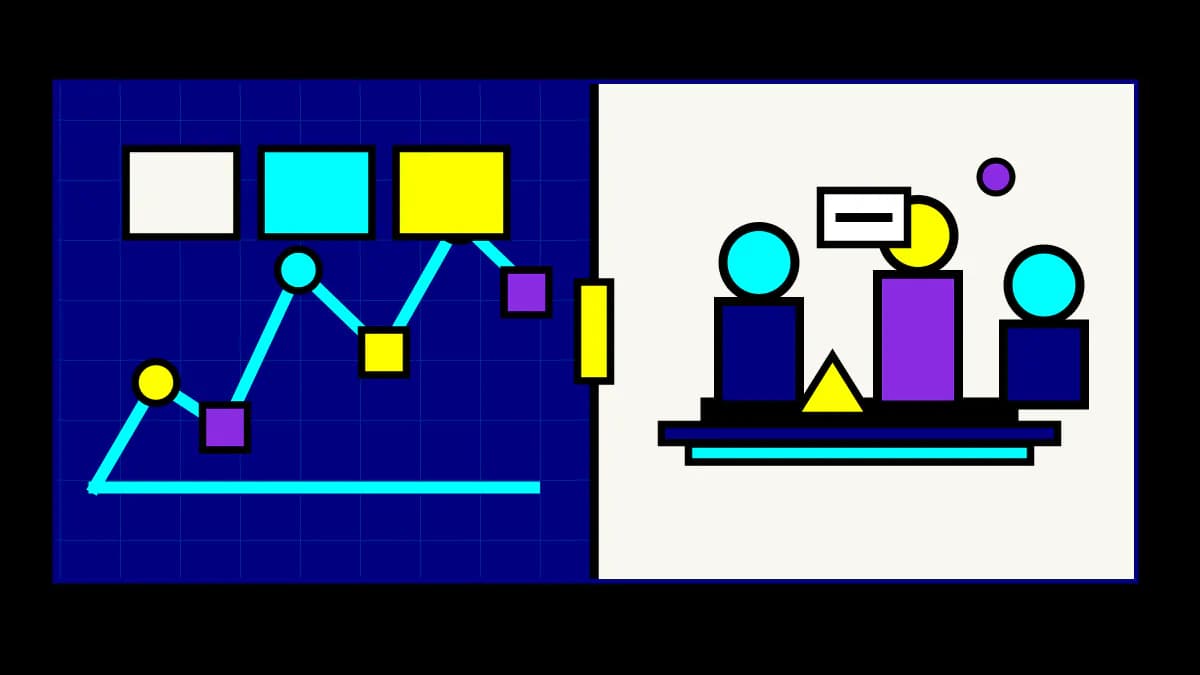
Two volunteers arrive. The process has no next step.
A recent post in r/nonprofit describes a busy food bank serving about 8,000 people a week. It runs a grocery model across several stations, needs roughly 25 volunteers each day, and has more than 100 people cycling through Tuesday to Saturday. Weekday coverage is thin enough that the team puts out one to three calls for help most weeks.
On one shift, two new volunteers are handed to someone already serving an impatient, crowded line. They are motivated, but nobody knows whether they watched the training videos or read the operating slideshow. The worker has to choose between stopping service to explain the basics and sending two willing people into a process they do not yet understand. The writer says they apologized for the chaotic start.
People are present, but the handoff from “I signed up” to “I know what to do” has no owner.
AI can help prepare that handoff. It cannot perform it.
Before arrival: AI can prepare, not verify
AI is useful before the shift. It can draft a role description, shorten a training document into an arrival brief, organize recurring questions, or suggest clearer language for an email. With Proximatic's connected, authenticated organizer agent, one message can contain event notes, a people/email list, shifts, teams, availability, and supported rules. The agent prepares changes for review, and the existing deterministic scheduler prepares assignments for eligible people; the organizer confirms before those changes are applied. The web Create form still starts with an event brief and people already prepared in the organization.
But “ready” means more than sending a message. Someone still has to check that the entrance, station, procedure, and escalation path match the building and the shift. A polished instruction can point to the wrong door or assume that a new volunteer understands the difference between a client-facing station and the delivery area.
AI creates a faster starting point; a coordinator decides what is accurate and ready to send.
At arrival: the roster meets the room
The two volunteers in the food-bank story need four things quickly: confirmation that they are expected, the role they are starting, the first task, and the person to ask when they get stuck.
A roster can make those facts easy to find. It cannot notice two people standing at the edge of a moving line, tell whether they understand the instructions, or decide that the first assignment needs to change. A person has to acknowledge them, connect the assignment to the room, and make the next handoff clear.
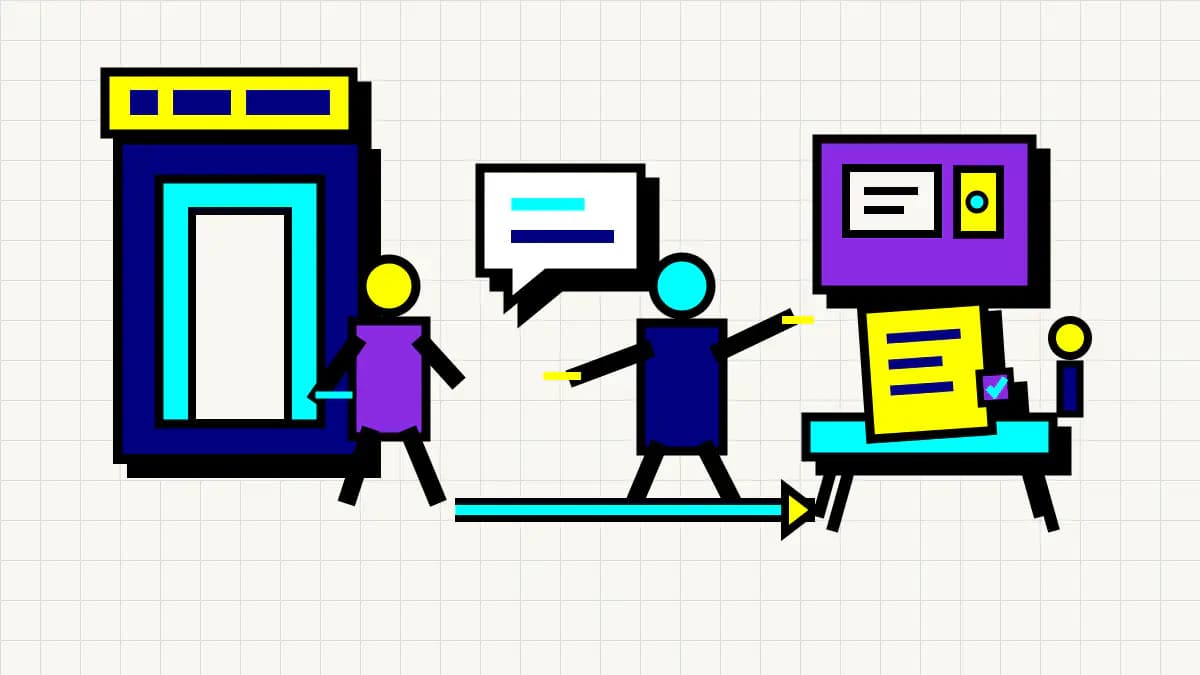
The system can surface the assignment. A person turns it into a workable first step.
If no one owns arrival, the person who happens to be closest becomes the coordinator—while still trying to serve the line.
During the shift: the plan is not the floor
In a grocery-model food bank, clients move through several stations while staff manage deliveries and volunteers keep the operation moving. A schedule can show that the minimum slots are filled. It cannot show that one station has a queue, that a delivery has changed the route, or that a new volunteer is waiting for direction.
The live process needs someone to interpret those changes, move a volunteer, explain the new assignment, and check that the adjustment helped. Before the event, Proximatic can use approved people, availability, capacities, conflicts, and applicable rules to produce a schedule proposal. It can surface coverage or suggest options, but it cannot see the line, carry out the live handoff, and watch what happens next.
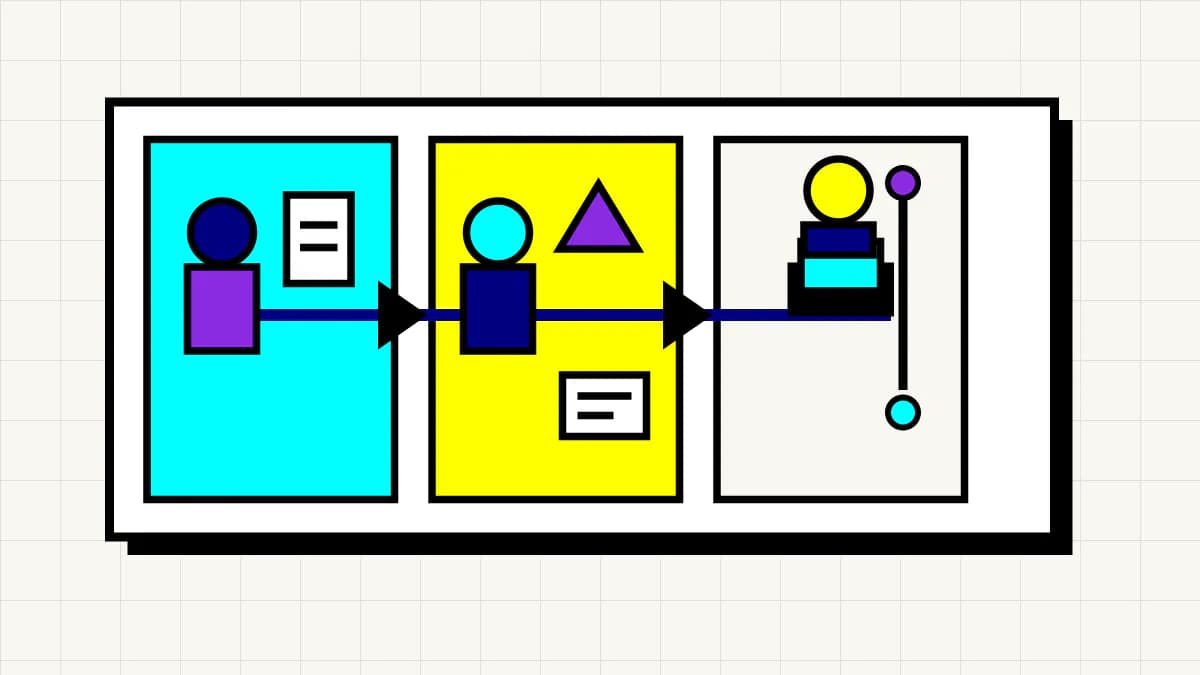
A roster is a snapshot. The people on site keep the process current.
After the shift: attendance closes the loop
Signup is not attendance. A confirmed assignment is not a completed shift. The process ends when someone records who arrived, which role they worked, and what changed.
That record shows which shifts are hard to cover and which instructions cause confusion. AI may summarize follow-up notes, but a person on site still has to confirm what actually happened.
The useful boundary
Use AI to turn event notes and supplied staffing details into a reviewable plan, draft role and arrival information, reduce repetitive preparation, and summarize follow-up notes.
Keep the live handoffs human: verify the person, give the first assignment, adjust the work when the room changes, and record attendance against the right shift.
Proximatic owns the pre-event path that makes those handoffs possible: a reviewable event plan, a deterministic schedule built from the organization's constraints, a public signup page, clear roles and shifts, meeting details in event and role descriptions, one confirmed roster for event staff, and organizer-issued check-in at the door. Volunteers know what they chose; staff know who to expect and where they belong before the door opens. Arrival becomes a record instead of another paper list to reconcile. People still have to welcome and redirect them; Proximatic makes sure the process does not start from scratch at the entrance.
For the exact boundary, see AI event setup and volunteer scheduling: the organizer reviews the blueprint, confirms the draft, inspects coverage, and publishes separately. The model interprets the request; Proximatic's existing scheduler and rules remain authoritative.
AI can remove preparation drag. It cannot stand at the door, make the first introduction, or know that the line needs help. That is why AI can help prepare an event, but it cannot do in-person volunteering.
For the adoption question behind that workflow, read why moving to better volunteer software is a supported change, not just a migration.